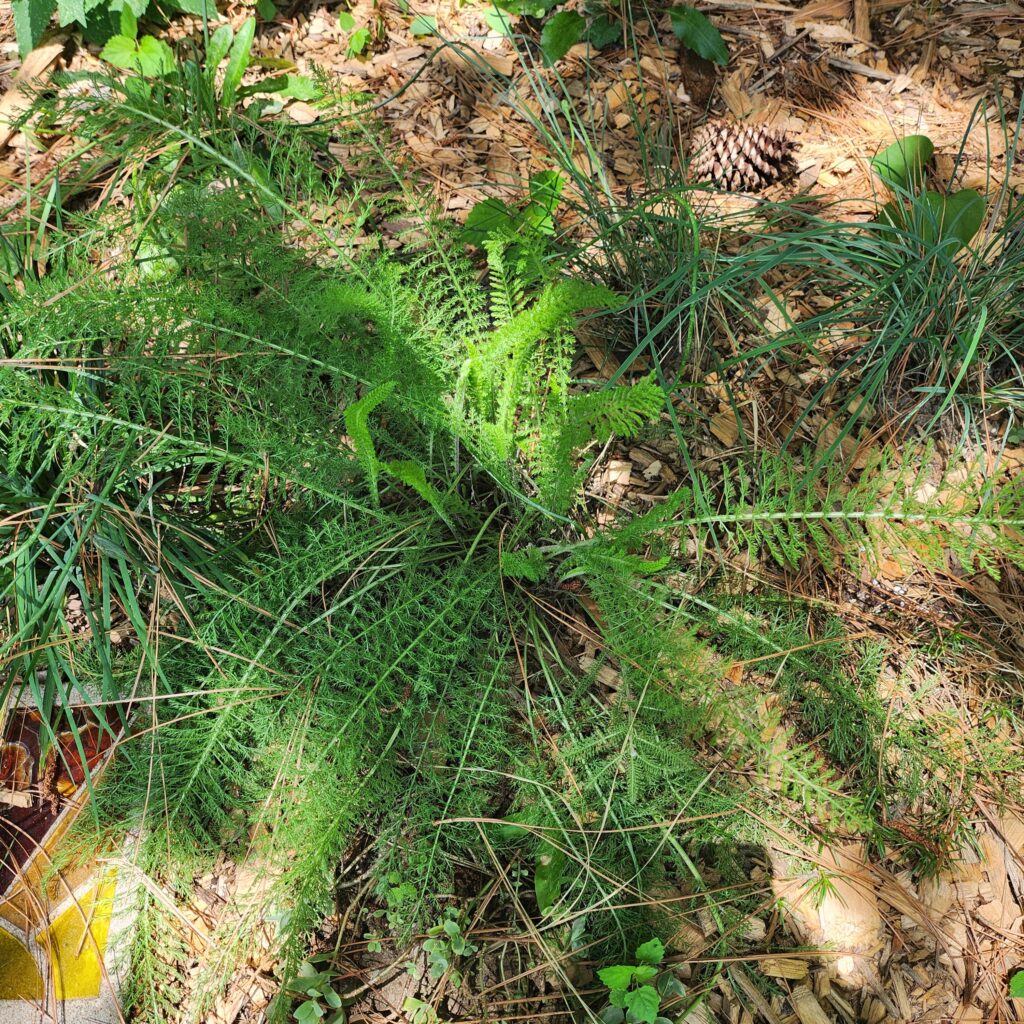
Achillea millefolium, commonly known as Common Yarrow, is a hardy, herbaceous perennial native to the temperate regions of the Northern Hemisphere, including North America, Europe, and Asia. It is best known for its flat-topped clusters of small, tightly packed white flowers that bloom from late spring through summer. The finely divided, feathery, gray-green foliage gives the plant a soft, fern-like appearance and emits a mild, pleasant aroma when crushed. Yarrow is a highly valuable plant for pollinators, attracting bees, butterflies, beetles, and other beneficial insects, and it is often included in native or pollinator-friendly gardens for this reason. Additionally, it has a long history of medicinal use and is still valued in herbal traditions for its astringent and anti-inflammatory properties.
Yarrow grows best in full sun and is highly adaptable to a range of soil types, including poor, dry, sandy, or rocky soils, as long as drainage is good. It does not thrive in consistently wet or overly rich soils, which can cause it to become leggy and flop over. Once established, Common Yarrow is exceptionally drought-tolerant and well-suited to xeriscaping or low-maintenance plantings. It typically grows 1-3 feet tall and spreads via underground rhizomes, forming colonies over time, especially in favorable conditions.Care is minimal. Deadheading spent blooms can encourage additional flowering and help prevent excessive self-seeding, while cutting the basal foliage after blooming maintains a tidy appearance and may promote a 2nd flush of flowers. In early spring, prune away old growth to make room for new shoots. Yarrow can become aggressive in rich soils or irrigated areas, so it may need to be thinned occasionally. It is generally pest- and disease-resistant, though poor air circulation can lead to powdery mildew in humid climates. Deer and rabbits usually avoid it because of its strong scent and bitter compounds.
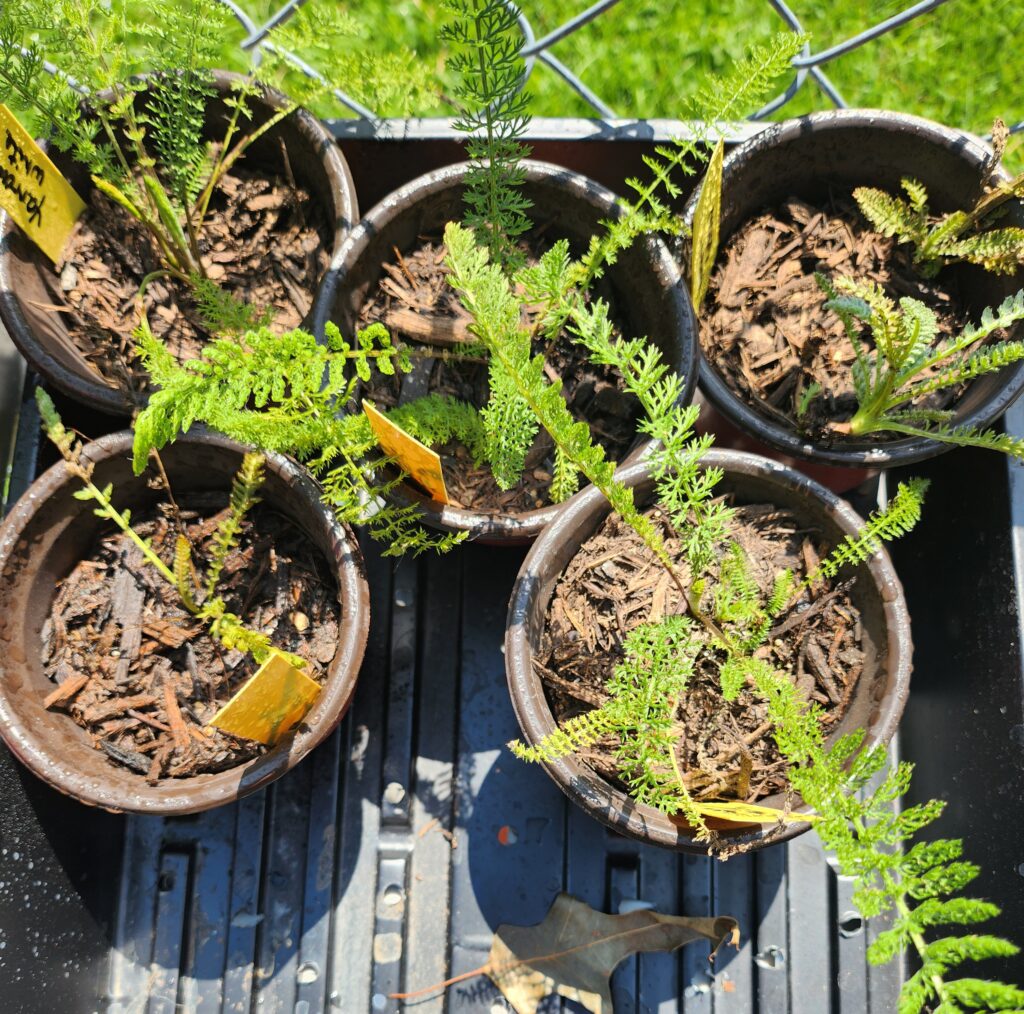
Propagation is easy by seed, division, or cuttings. Seeds can be sown directly outdoors in fall or early spring. Divide in spring or early fall every few years to rejuvenate plants and control spread. Common Yarrow is an excellent choice for meadows, cottage gardens, herbal borders, wildflower plantings, or erosion control on slopes. It combines well with native grasses, coreopsis, and other drought-tolerant perennials. With its long bloom time, ecological benefits, and resilience, Common Yarrow is both functional and a beautiful addition to diverse landscape styles.