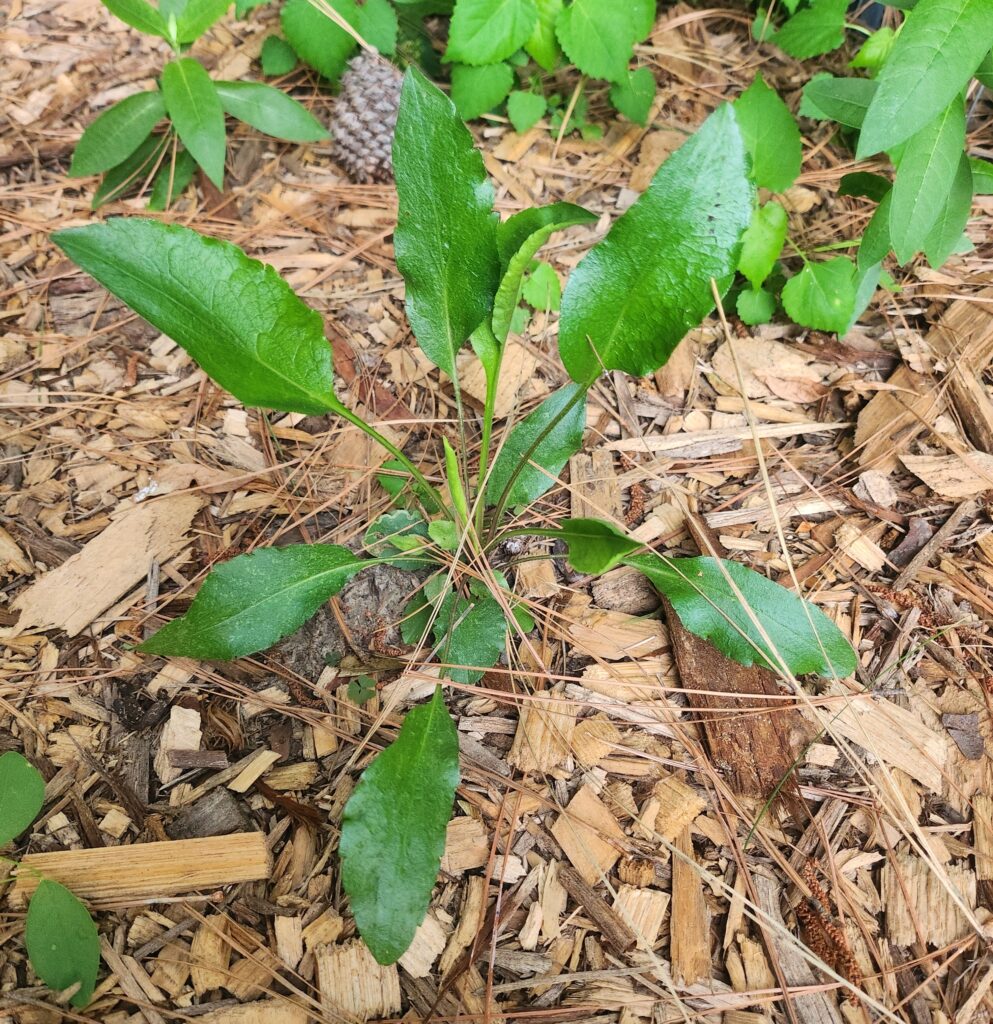
Sky Blue Aster / Azure Aster

(Symphyotrichum oolentangiense)

Symphyotrichum oolentangiense, commonly known as Sky Blue Aster or Azure Aster, is a herbaceous perennial native to central and eastern North America.  Belonging to the Asteraceae family, this wildflower typically grows 2-3 feet tall, occasionally reaching up to 4 feet, and produces beautiful, sky-blue to violet-blue blooms with yellow centers from late summer to fall.  It is a valuable plant for pollinators, attracting native bees, butterflies, and other beneficial insects.

Sky Blue Aster thrives in full sun, although it can tolerate partial shade, especially in hotter regions.  It prefers well-drained soils and is well-adapted to dry, sandy, or rocky conditions.  Once established, it is drought tolerant, requiring little supplemental watering unless there is an extended dry period.  It grows best in slightly acidic soil with a pH between 6.0 and 7.5, and it does not perform well in overly rich or consistently wet soils, which can lead to flopping or disease.

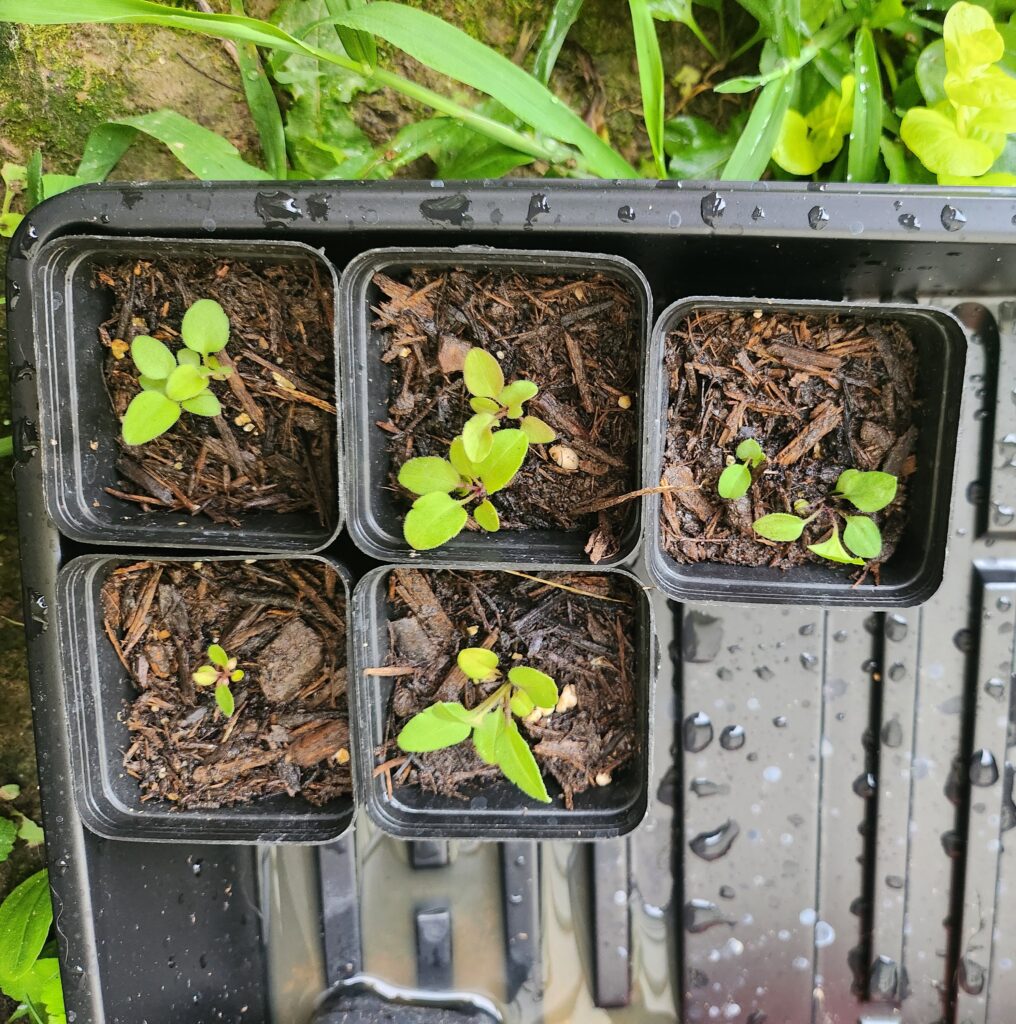
For maintenance, young plants should be watered regularly their 1st growing season to establish a strong root system.  Mature plants need minimal care but may benefit from a light pinching back in early summer to promote bushier growth.  Deadheading is optional and can help prolong blooming.  In fall or early spring, stems can be cut back to the ground.  In richer soils or partially shaded areas, staking may be necessary to prevent flopping.  Mulching can help retain moisture and suppress weeds, but care should be taken not to cover the crown of the plant to avoid rot.

Propagation can be done by seed or division.  Seeds can be sown in the fall or cold-stratified for spring planting, while mature clumps can be divided every 3-4 years in spring or fall to rejuvenate the plant and prevent overcrowding.  Sky Blue Aster is generally free of pests but can be susceptible to powdery mildew if overcrowded or grown in humid conditions.  It is moderately deer- and rabbit-resistant once mature. This aster is an excellent choice for prairie gardens, naturalized areas, and pollinator habitats, where it pairs well with native grasses like Little Bluestem, goldenrods. coneflowers, and Butterfly Weed.