![]()
Monarda fistulosa, commonly known as Wild Bergamot, is a hardy, herbaceous perennial native to much of North America. A member of the mint family (Lamiaceae), it is well known for its lavender to pale purple, tubular flowers arranged in rounded clusters that bloom in mid- to late summer. The flowers sit atop tall, square stems and are framed by pairs of aromatic, lance-shaped leaves that emit a strong, spicy-mint scent when crushed. Wild Bergamot is highly attractive to a variety of pollinators, including bumblebees, honeybees, butterflies, and hummingbirds, and it serves as a host plant for several moth and butterfly species. Its abundant nectar and pollen make it a vital component of native and pollinator-friendly plantings.
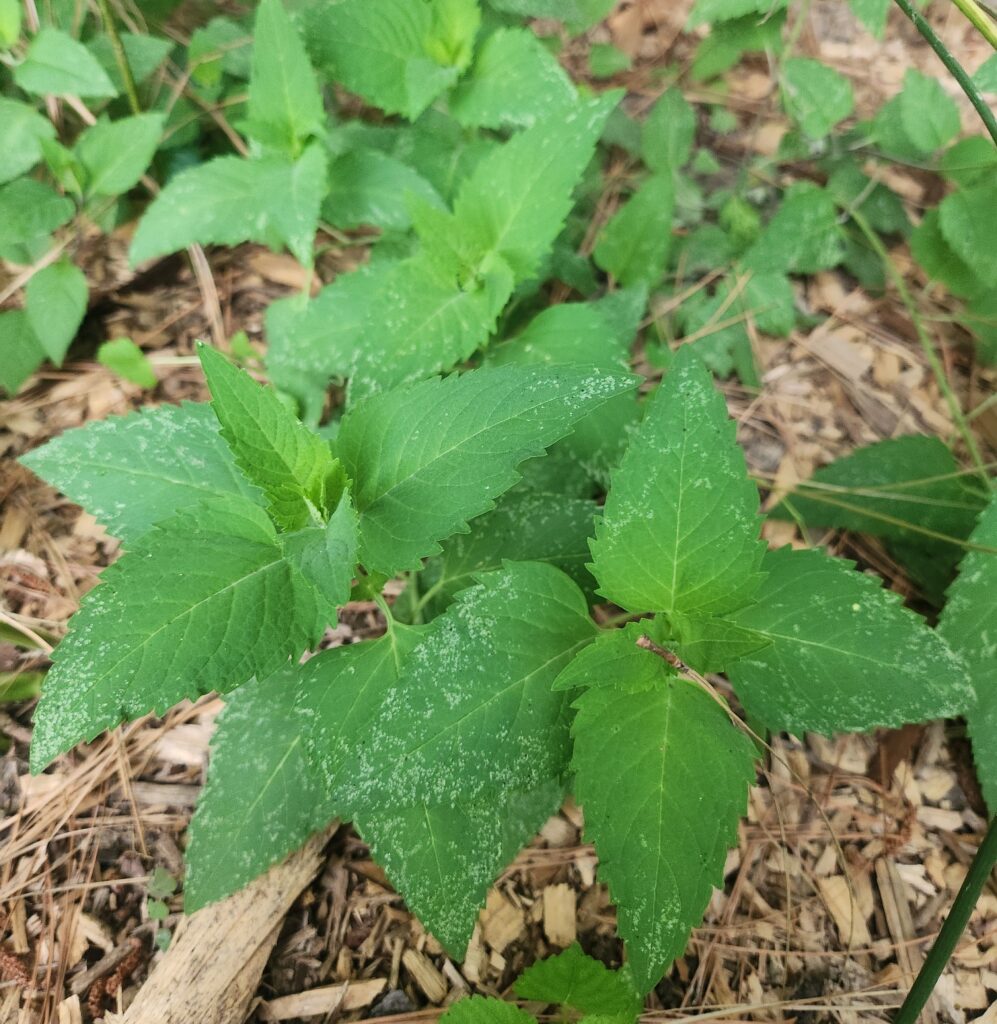
Wild Bergamot thrives in full sun to light shade and prefers dry to medium, well-drained soils, though it tolerates a wide range of conditions including clay, sandy, and loamy soils. It is drought-tolerant once established, thanks to its deep root system, but it also tolerates occasional moisture as long as the site isn’t consistently wet. It is commonly found in prairies, savannahs, roadsides, and open woodlands, making it a versatile choice for both formal gardens and naturalized areas.Care is generally low-maintenance. To encourage bushier growth and reduce flopping, stems can be pinched back in late spring. Deadheading spent blooms may encourage a longer flowering period and prevent excessive self-seeding. In late fall or early spring, cut stems back to the base to allow for fresh new growth. Wild Bergamot can be susceptible to powdery mildew, especially in humid climates or crowded plantings. Good air circulation, proper spacing, and avoiding overhead watering can help minimize the issue. Other than this, it is generally pest-resistant and deer- and rabbit-tolerant.
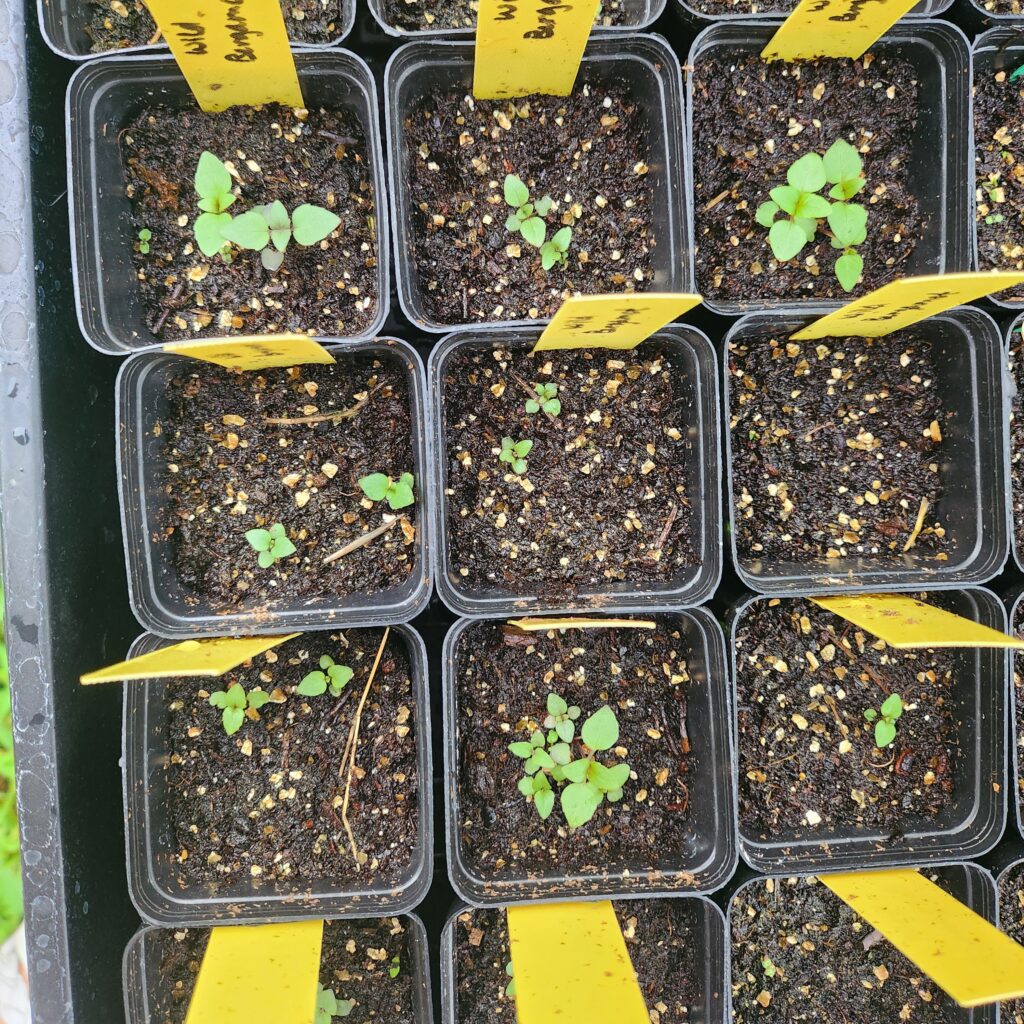
Propagation is easily achieved by division, cuttings, or seed, with division every few years helping to maintain plant vigor and manage spread. Though it spreads by rhizomes, Wild Bergamot is typically well-behaved in garden settings. It pairs beautifully with other native prairie plants like coneflowers, Black-Eyed Susan, milkweeds, and Little Bluestem, and it is particularly well-suited to pollinator gardens, prairie restorations, and meadow-style plantings. With its vibrant blooms, strong ecological value, and adaptability, Wild Bergamot is both a beautiful and beneficial plant for naturalistic and native-focused landscapes.